A Conversation on Fashion Talent and the Future of Neo-Chinese Style
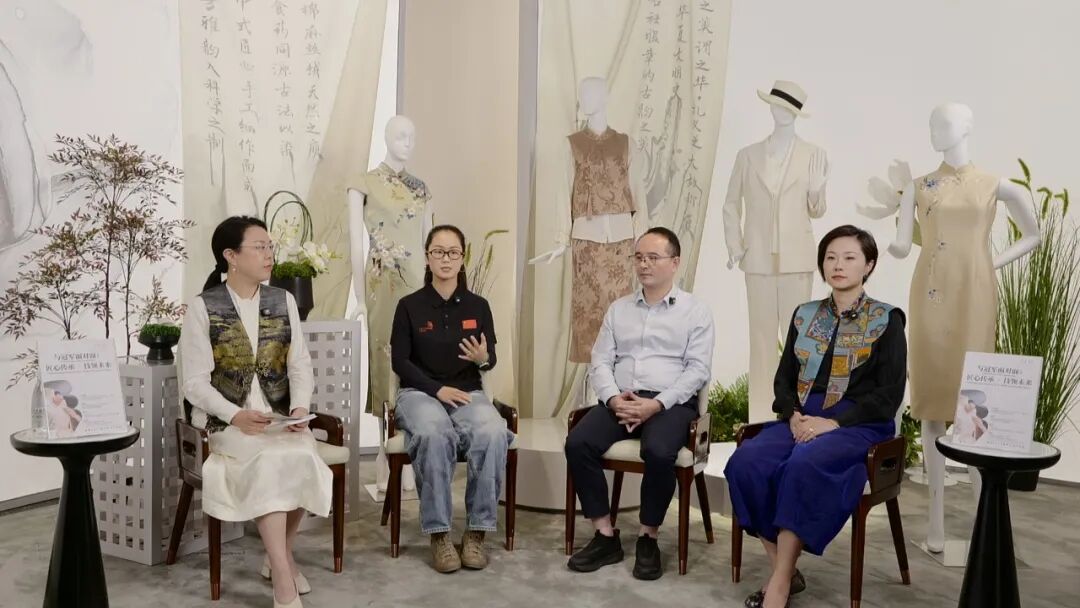
On September 22, on the eve of the opening of the 48th WorldSkills Competition Shanghai 2026, the "Face to Face with a Champion" talk was held at the Neo-Chinese Aesthetic Space in Shangjie LOFT, Shanghai.
The event brought together a WorldSkills champion, industry experts, and a fashion brand founder for a candid conversation about fashion education, industry collaboration, and the evolving future of neo-Chinese style clothing. It was also an opportunity for the Shanghai International Fashion Education Center (SIFEC) to highlight how the city-level competition is helping advance teaching reform, closer industry-education collaboration, and stronger support for the fashion sector.
The session was moderated by Lv Wenjun, Party Secretary and Chairman of SIFEC. Three invited guests—Hu Ping, Yong Fei, and Tian Ling—shared their perspectives.
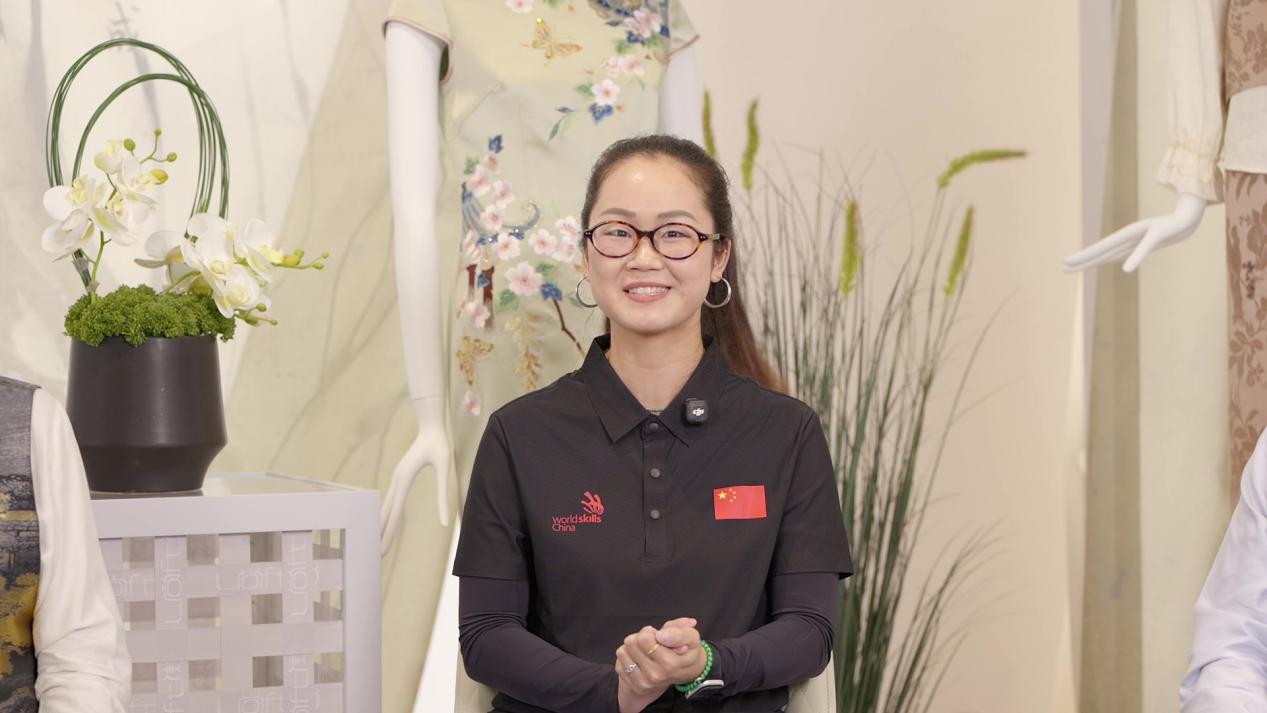
Hu Ping, a WorldSkills Fashion Technology gold medalist and national coach; Yong Fei, a senior custom fashion industry expert; and Tian Ling, a neo-Chinese fashion brand leader, joined a conversation on fashion talent and the future of neo-Chinese style.
The school has hosted Shanghai's WorldSkills Fashion Technology selections since 2018 and trains competitors for national skills competitions. It aims to connect classroom learning with real industry practice. During the event, competitors from Egypt and Saudi Arabia also tried Chinese calligraphy and hanfu making.
The panel discussed how AI is reshaping fashion talent. The consensus was that designers still need strong pattern-making and production skills, but should also learn to use AI and understand commercial needs. These insights offered practical guidance for the school's teaching reform.
The discussion then focused on Shanghai's custom fashion industry. The panel highlighted a shortage of versatile professionals and stressed that talent and service quality are key to building the brand. These insights provided clear direction for the school to optimize its training programs.
The panel then discussed neo-Chinese fashion, emphasizing that it should prioritize craftsmanship, wearability, and contemporary aesthetics over simply stacking traditional symbols. Brands should also balance artistic value with market appeal. The session concluded with messages for students, tailors, and brand founders, and a commitment to translating WorldSkills standards into teaching reform and stronger industry collaboration.





 Back


 公安备案号:31010702003342