On August 26, the Shanghai International Fashion Education Center (SIFEC) successfully concluded a training program for faculty members from Xinjiang Institute of Technology and Vocational Education.
Titled "Enhancing Fashion Design Teaching Capabilities through Digital Intelligence," the program was designed to help educators keep pace with the fashion industry's digital transformation.
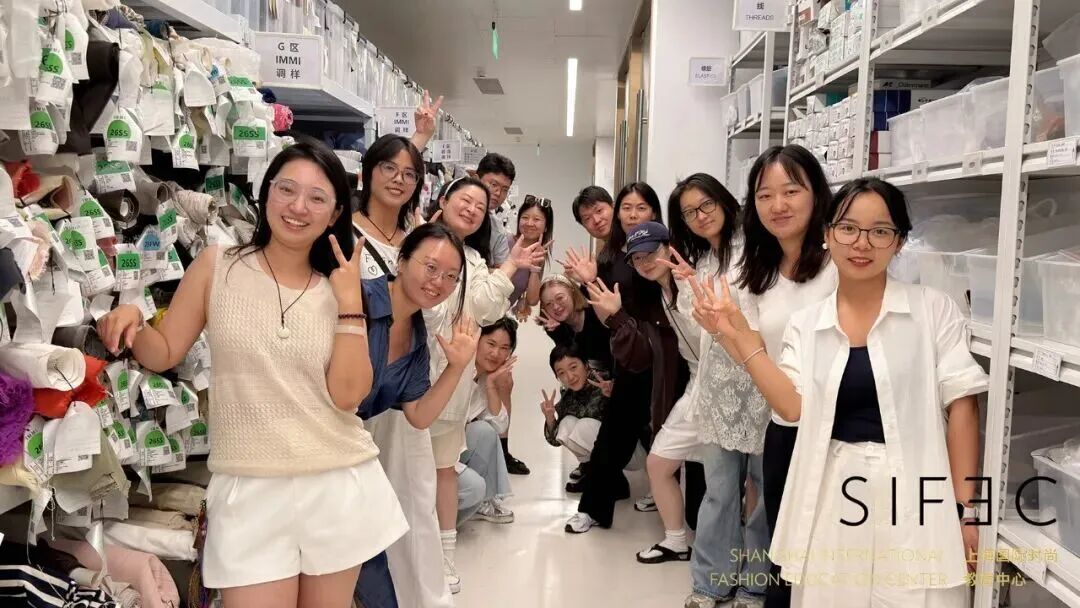
As the industry places greater emphasis on students' practical skills, trend awareness, and digital capabilities, SIFEC leveraged Shanghai's complete fashion value chain—from fabric development and design sampling to intelligent manufacturing and brand management—to connect classroom teaching with real-world industry practice.
The program was supported by the industrial resources of Oriental International Group.
Participants toured SIFEC's Knitwear Design & Sampling Studio, where German STOLL computerized flat knitting machines enable students to independently complete the full workflow—from yarn selection and pattern programming to machine operation. The visiting Xinjiang faculty shared their expertise in ethnic patterns and hand-knitting, and both sides discussed knitwear curriculum development and lab construction, paving the way for future collaboration.
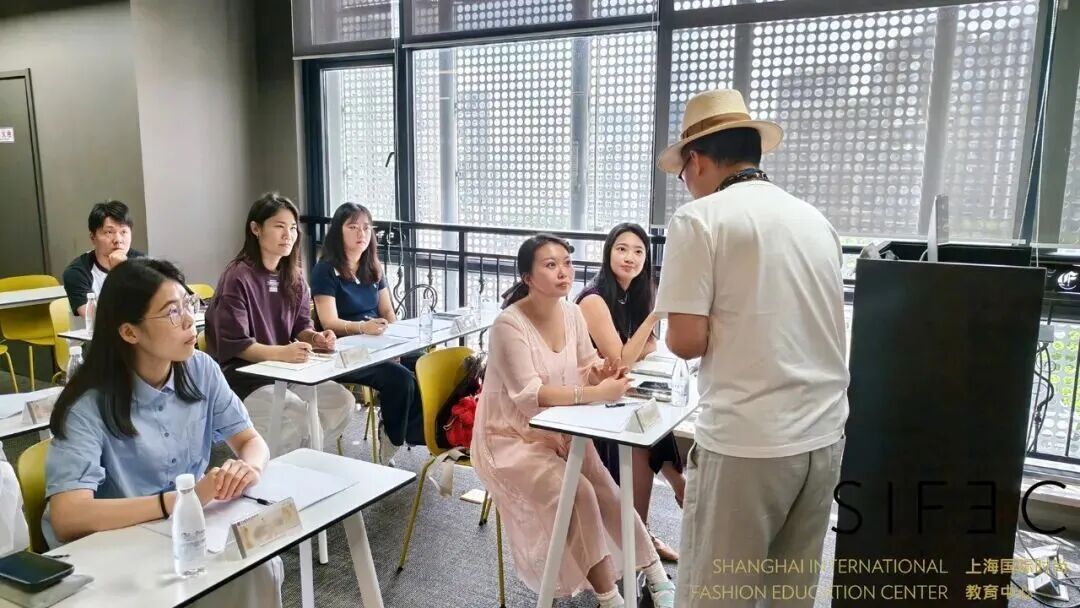
The program also covered cutting-edge topics including AIGC image design, trend forecasting, digital-intelligent manufacturing, and retail operations. As one participant noted: "We used to teach students to sketch designs—now we must teach them to generate designs with AI. It's not optional; it's essential."
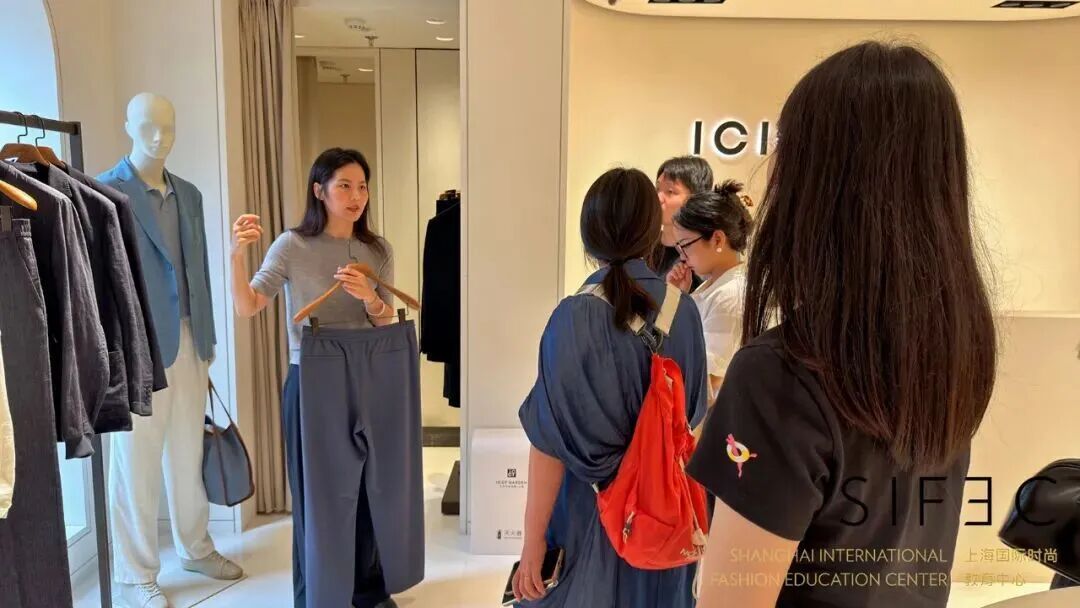
Participants also visited leading fashion brands for face-to-face exchanges with industry executives, gaining a clear message: the industry demands versatile talent who understand processes, craftsmanship, and the market—not just drawing skills. This frontline insight will directly reshape classroom priorities and practical training.
From fashion show planning to smart production in digital factories, participants experienced a complete theory-to-practice loop in real-world settings. At a digital brand facility, the fully intelligent workflow—from design draft to finished garment shipment—left a deep impression on all, proving that "smart manufacturing" is no longer a concept, but a tangible reality.
Participants also toured Shanghai's core commercial districts—visiting buyer shops, brand flagships, online new-retail platforms, and offline experience spaces—to gain first-hand insight into current employment trends and career paths in the fashion industry, equipping them with practical material for guiding students' career planning.
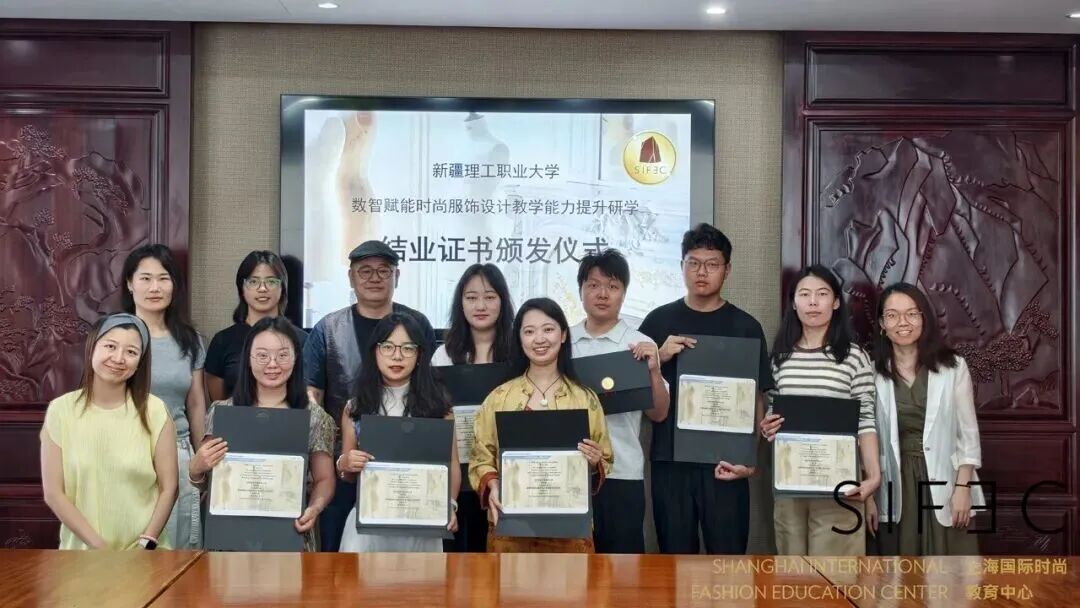
At the closing ceremony, SIFEC Vice President Xu Tianyu extended multiple collaboration proposals to the visiting faculty. Future cooperation will cover participation in the "China Cup" competition, joint knitwear program development, Shanghai fashion industry study tours, and professional certification—mapping out a clear roadmap for deepened Shanghai–Xinjiang collaboration in fashion education.
After a productive one-week program, the Xinjiang faculty returned home with cutting-edge concepts, hands-on experience, and lasting friendships. This program marks both a successful East–West cooperation initiative between SIFEC and Xinjiang Institute of Technology and Vocational Education, and a strong start to deeper bilateral collaboration in fashion education.






 Back
Back


 公安备案号:31010702003342