The fashion industry is shifting from physical to digital, with technology now woven into the entire value chain. Virtual fashion releases have surged 47% year-on-year, and 62% of studios now use AI-assisted design tools.
This demands a new breed of talent. Beyond aesthetics, designers must now create editable, shareable, and commercially viable digital assets.
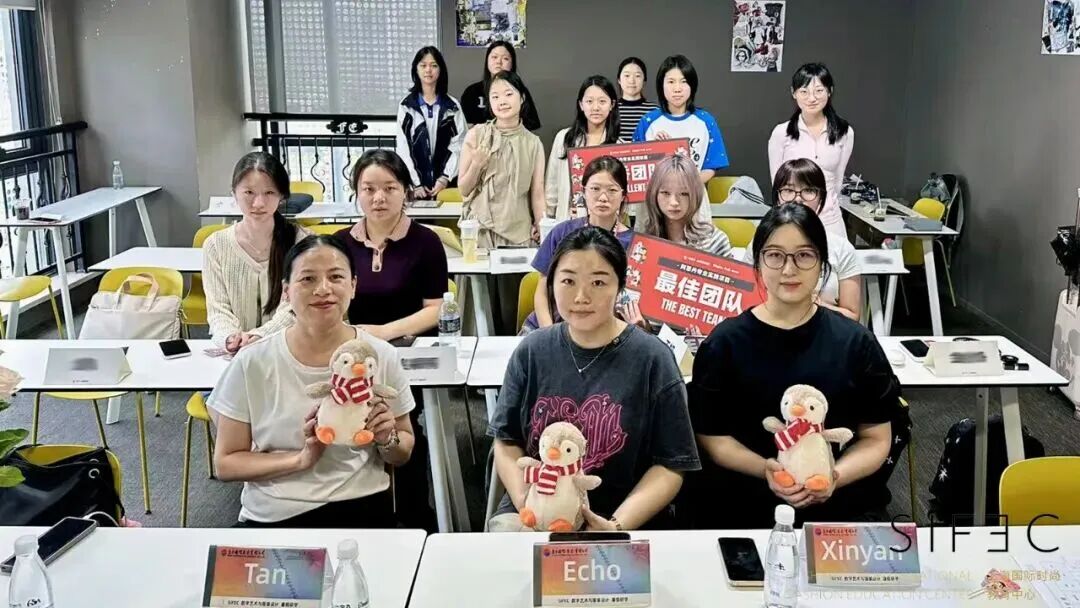
To meet this need, Aseeder and SIFEC launched the "Creative Arts: Digital Art & Fashion Design" Summer Camp. Focusing on brand building, AI collaboration, and virtual launches, the program equips students with end-to-end skills to build a competitive digital portfolio for university applications or job hunting.
Building a Brand: From Extracting Inspiration to Visual Execution
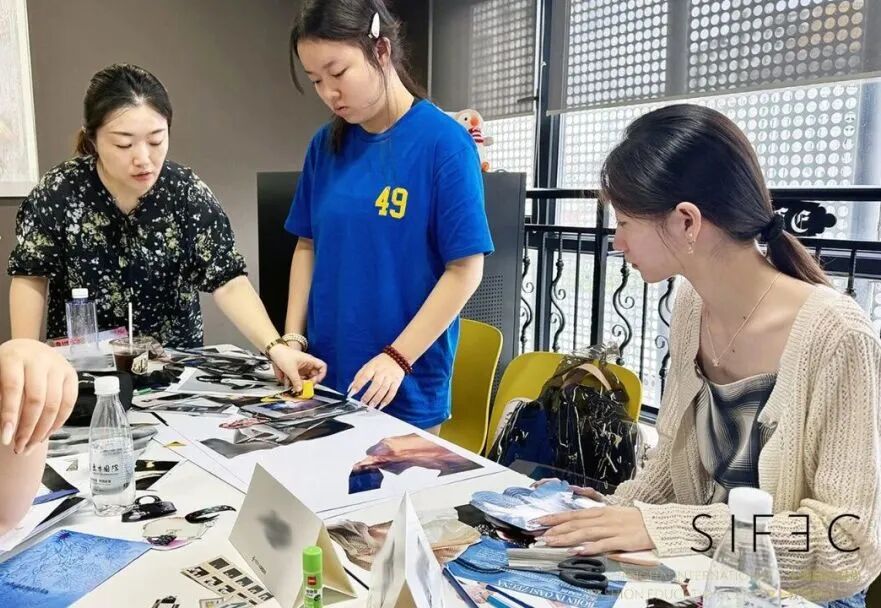
In today's brand-driven era, design is no longer an isolated creative act; it is the visual execution of a broader brand strategy. Guided by their mentors, each team established a core aesthetic and worldview for their virtual brand, rooted in digital art concepts.
Stepping into the role of a brand founder, every student defined a unique visual DNA for their project. This not only serves as the foundation for all subsequent designs but also provides a complete, hands-on simulation of real-world brand strategy.
Digital Jewelry & Accessories: Tapping into High-Margin Categories
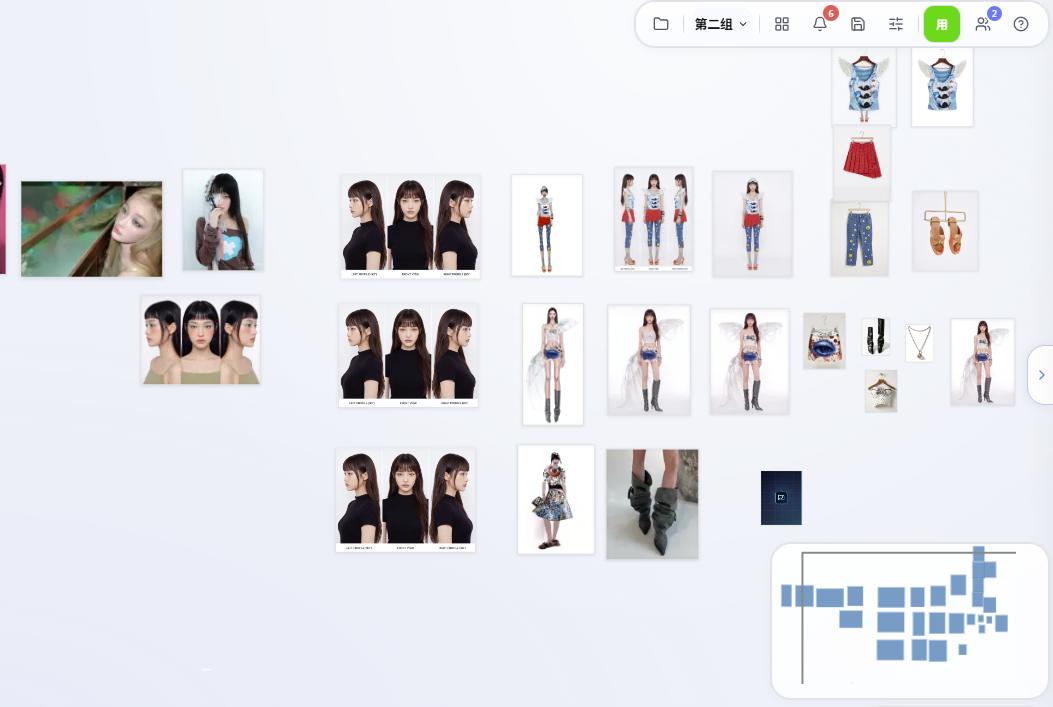
As a major profit driver for fashion brands, accessories already boast a highly mature digital design workflow. In this module, students dive deep into the fundamental principles of jewelry and accessory design, covering core elements such as materials, craftsmanship, and styling. Ultimately, they create high-quality digital assets that can be showcased from multiple angles.
AI Collaboration: Expanding the Boundaries of Creativity
Students learn to use AI tools for stylistic exploration and concept development, generating garment patterns, textures, or silhouettes to enrich their design details. This is not about machines replacing humans, but rather human-machine collaboration. AI is responsible for pushing the boundaries of imagination, while the designer's role is to curate, reconstruct, and infuse the concepts with deeper meaning.
The Ultimate Business Practice: From the Classroom to the Industry
Stepping into the role of brand founders, each team delivered a complete commercial pitch. Their presentations covered brand introductions, creative collection designs, and digital showcases. To highlight the unique outcomes of the program, students transformed their designs into digital lookbooks, immersive displays, or virtual runways.







 Back
Back


 公安备案号:31010702003342